
Watch: Does the Multistakeholder Model Work?
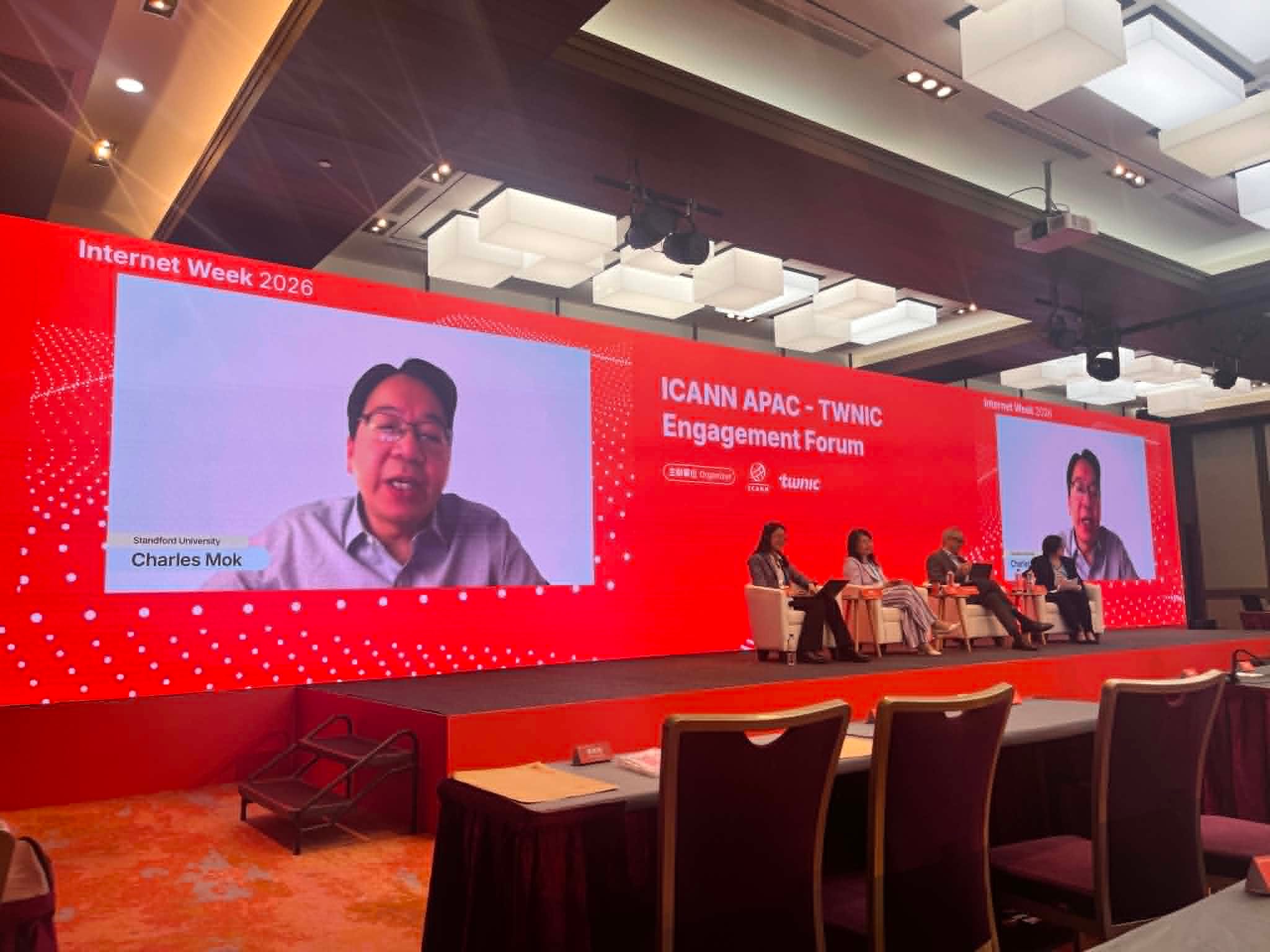
Panel discussion at the ICANN APAC-TWNIC Engagement Forum during the Internet Week 2026 in Taipei

On this Tuesday, May 12, 2026, I joined a panel in the ICANN APAC-TWNIC Engagement Forum, during the Internet Week 2026 in Taipei, on the question, “Does the Multistakeholder Model Work?” (多方利害關係人模式是否有效?)
Internet governance, especially that exemplified by the Internet Corporation for Assigned Names and Numbers (ICANN) in conducting its administration of the critical Internet resources of domain names and numbering systems, is characterized as a successful manifestation of the multistakeholder system, which, in turn, is built on a concept of “community of equals,” with its open, global and bottom-up operating processes. This model stands in opposite contrast to the top-down, government-led, national or multilateral system between governments internationally, that some countries, especially authoritarian ones, has relentlessly advocated.
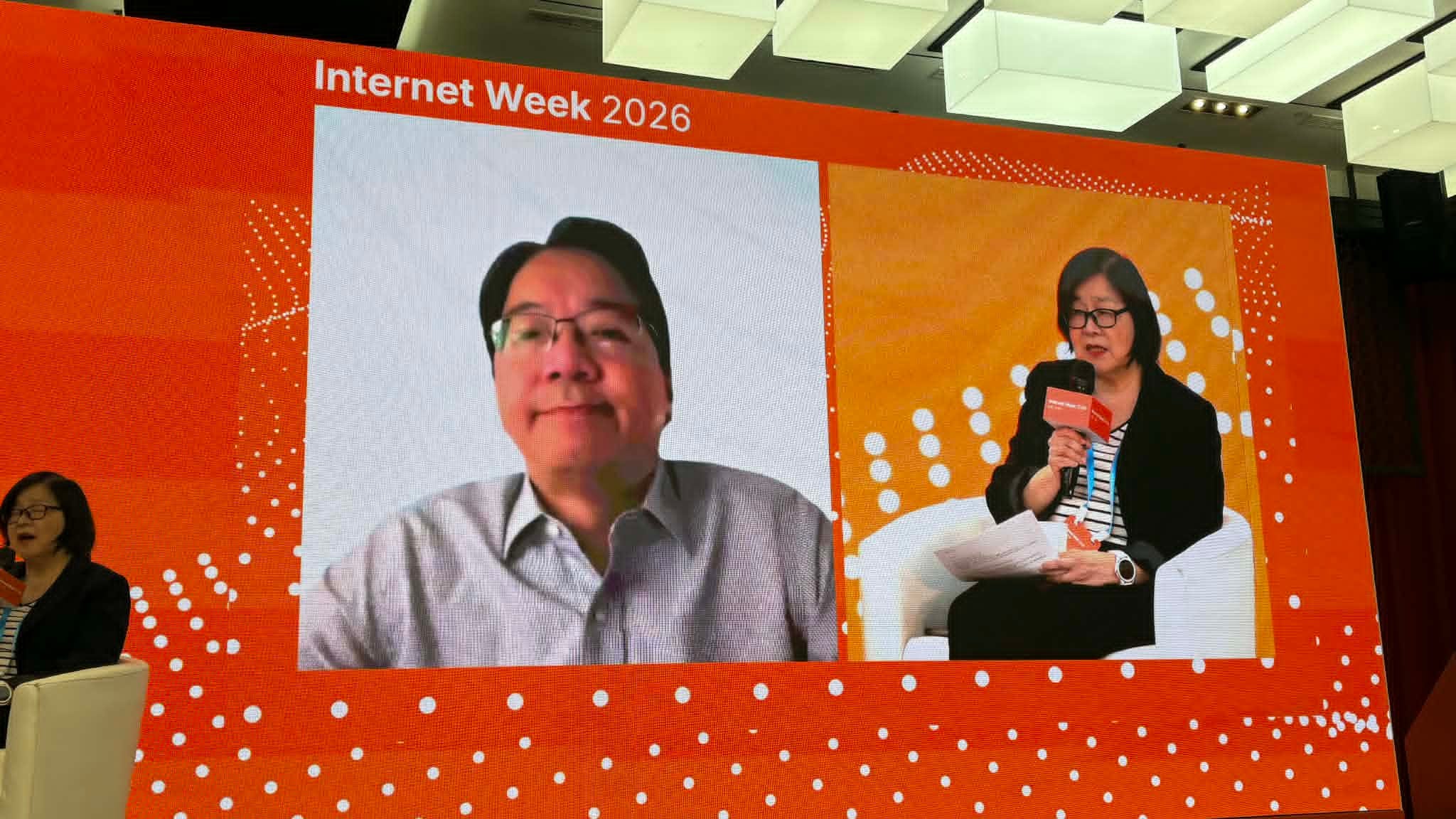
Our discussion was partly prompted by my recent article, “Do We Need Alignment Between Internet Governance and AI Governance?“, published in CircleID two months ago. In the article, I argued that the global Internet governance system, especially the multistakeholder model, was a product of being formed at the right time, in the right place, and with the right people, when the Internet was almost a complete unknown to most governments, Big Tech firms were just small startups or even not yet born, and the “original proprietor” of the Internet naming and numbering resources — the United States government — had the generosity and foresight to transfer its “ownership” of this budding technology operation to a non-profit, international ecosystem of non-profit multistakeholder and standards organizations. Sadly, such is not the case for artificial intelligence (AI), as governments all over the world see AI as both a matter of technological and industrial competition, as well as national and economic security.
However, I still wonder, and would even argue: is there room for the development of a system of “regulations with multistakeholder characteristics?” In our discussion — moderated by Joy Chan, deputy CEO of the Taiwan Network Information Center (TWNIC) — Samiran Gupta, vice president of stakeholder engagement and managing director of ICANN in Asia Pacific, talked about the success and challenges to ICANN’s multistakeholder development, while fellow panelists Mei-ching Chen, of the National Communications Commission (NCC), shared about how NCC, as Taiwan’s communications regulator, facilitates a “consensus governance” with technical operators, and Ken-ying Tseng, a legal professional with strong experience with Internet governance and ICANN, described Taiwan’s AI Basic Act as a bridge to the multistakeholder community, as opposed to one of strict, top-down regulations.
This is also the topic I discussed in my previous Substack post, “Taiwan’s AI Basic Act Can Be a Model for Asia.“ While Taiwan’s AI and technology regulatory regime can hardly be seen as “multistakeholder,” there are rooms for improving and broadening the participation of multiple communities, from civil and technical society to local and global tech players, and others, to test its “sandbox” approach to, yes, “regulating with multistakeholder characteristics.”
Have a listen, and let me know what you think!